Fabricated Sources
The PEBM study analyzed 1,400 runs across 100 Hungarian B2B companies. It found that 45.9% of cited sources were fabricated overall.
AI Visibility · Brand Citability · Hallucination Risk
AI systems do not rank experts; they reconstruct them based on machine-readable data. This site explains the infrastructure required for brands to be found, understood and cited by assistants like ChatGPT and Perplexity.
Data from the PEBM study and live audits reveals how AI handles brand information.
The PEBM study analyzed 1,400 runs across 100 Hungarian B2B companies. It found that 45.9% of cited sources were fabricated overall.
Well-known brands often receive more confident but false attributions. Familiarity gives models material for plausible but unsupported completions.
A site can return HTTP 200 to every AI crawler and still stay invisible in AI answers. Access is the first layer; indexing, citation and accuracy decide the rest.
Visibility depends on five specific structural and behavioral factors.
Make it easy to quote.
The terms this site covers, for readers, search engines and AI assistants alike.
In-depth guides and analysis, each answering one question.

Generative systems assemble brand identities from fragmented data, making traditional SEO metrics obsolete for AI visibility.
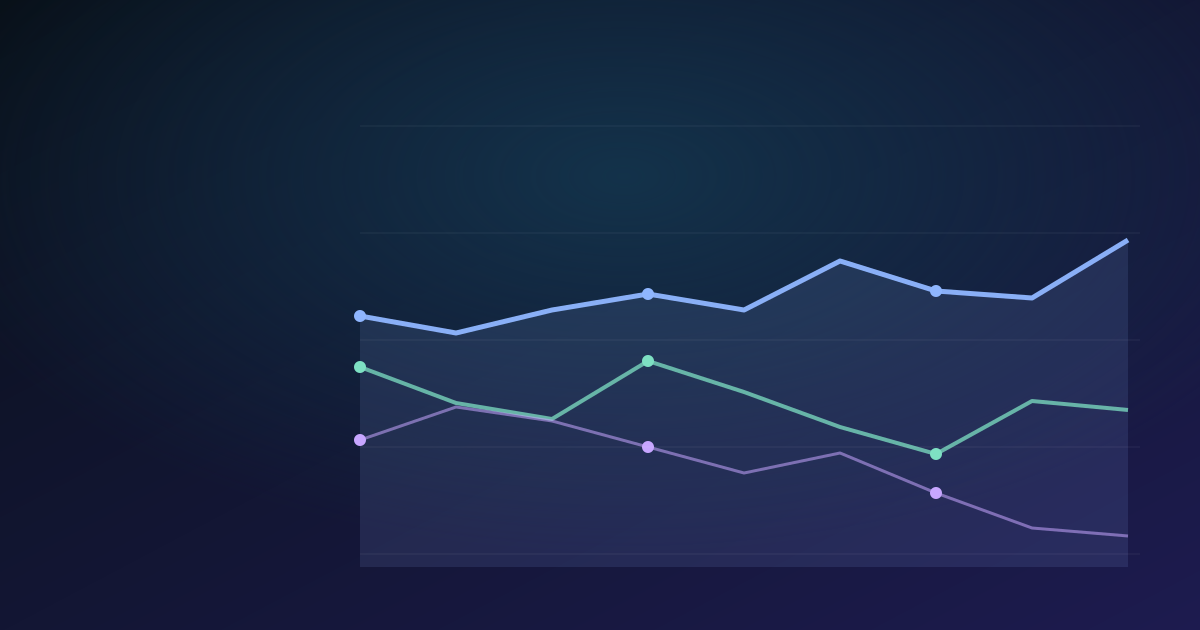
Abundant data fuels fluent but factually incorrect answers about famous companies, creating a hidden reputational risk that standard metrics miss.
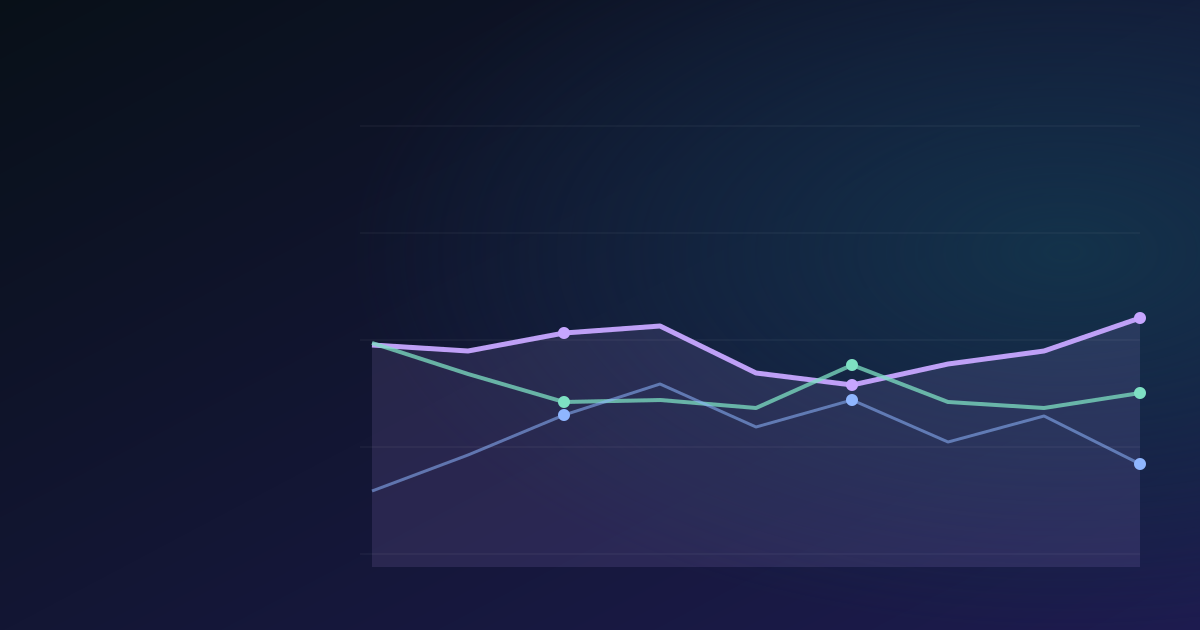
Data from the Per-Entity Bias Mapping study shows that famous Hungarian companies are more likely to receive false citations from AI models than lesser-known firms.

Small firms face a structural invisibility failure mode where models lack the data density required to reconstruct the entity.

When AI systems encounter partial information, they fill gaps with plausible fiction rather than admitting ignorance.

AI models do not just forget; they invent plausible but false histories for known entities and merge distinct people into single profiles.
AI systems reconstruct entities rather than ranking them. They rely on machine-readable, canonically anchored data to point to your brand. If this data is missing, the model may fabricate sources or omit you entirely.
PEBM stands for Per-Entity Bias Map. It involved 1,400 runs on 100 Hungarian B2B companies to measure source fabrication. The study found that over 45% of cited sources were incorrect across the dataset.
Not necessarily. Well-known brands face a higher risk of confident but false attributions. Familiarity provides models with material for plausible but unsupported completions.
Single-number scores are proxies for complex distributions. Improvements require fixing crawlability, citation readiness and answerability layers. Technical access alone does not guarantee accurate citations.
Non-search models showed fabrication rates between 32% and 44%. Search-grounded models like Perplexity had lower rates at 7.32%. Lack of retrieval access increases the risk of hallucination.
No. SEO targets deterministic ranking algorithms. AI visibility addresses stochastic reconstruction where answers create no logged impressions. The goal is to make content easy to quote accurately.
Terms and identifiers behind the work of Zoltán Varga, with links to the primary records.
Until this site expands, related research and the full person profile remain on vargazoltan.ai.
Go to vargazoltan.ai →